


When the air in your home feels dry, and your skin starts to tighten, that scratchy feeling in your throat shows up at night, or your wooden furniture begins to crack, those are signs you might need a humidifier for your home. Understanding what humidifiers do and how to choose the right one can make your living space far more comfortable and healthier. This guide explores everything you need to know about home humidifiers, from the basics to advanced features and real-life examples.
What Is a Humidifier and Why Does It Matter?
A humidifier is a device that adds moisture to the air. If you live in a climate that gets dry in winter or runs central heating, indoor air can become very dry. This dryness can lead to dry skin, irritated sinuses, sore throats, static electricity in your hair and clothes, and even cracked wood floors.

In simple terms, a humidifier raises the humidity in your home to a healthier level. A healthy indoor humidity level is usually between 30 and 50 percent. When levels drop below that range, you may notice discomfort. On the other hand, when humidity is too high, you may create an environment conducive to mold and dust mites.
The Benefits of Using a Home Humidifier
There are many reasons people choose to use humidifiers year-round. Let us walk through some of the significant benefits.
Comfort for Your Skin and Airways
Dry air can sap moisture from your skin and mucous membranes. This can lead to itchy, flaky skin, chapped lips, and irritated nasal passages, making it harder to breathe or sleep well. A humidifier can help keep your skin hydrated and your sinuses more comfortable.
This is particularly helpful during the winter months when heating systems pull moisture out of the air. In climates with year-round low humidity, like desert regions, humidifiers can improve comfort year-round.
Better Sleep Quality
If you wake up with a dry nose or a sore throat, a bedroom humidifier might help you sleep more deeply. Increased air moisture helps reduce irritation in the throat and nasal passages. This can be particularly useful for people who experience snoring or mild sleep apnea that worsens in dry air.
Some people report that a cool-mist humidifier helps them breathe more easily and sleep more soundly. Others prefer a warm-mist model, especially in cold weather, because it can add gentle warmth and humidity.
Protection for Wooden Furniture and Musical Instruments
Dry air does not just affect people. It affects your home too. When humidity levels are too low, wood can shrink and split. Hardwood floors, furniture made of natural wood, and musical instruments like guitars and pianos all respond to changes in humidity. Maintaining a balanced humidity level helps preserve the integrity of wood and keeps fine furniture pieces looking great.
Support for Indoor Plants
Many popular houseplants, such as philodendrons, ferns, and orchids, prefer environments with moderate to high humidity. In dry indoor conditions, some plants develop brown leaf tips or stop growing altogether. Using a humidifier near your plants can help them thrive.
Types of Humidifiers for Home
Not all humidifiers work the same way. It helps to know the differences so you can choose one that suits your space, budget, and lifestyle.
Cool Mist Humidifiers
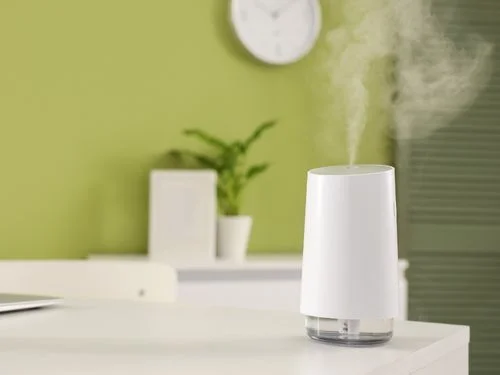
Cool mist humidifiers release a fine, cool aerosol into the air. They come in two main types: evaporative and ultrasonic.
Evaporative models use a wick filter that draws water up and a fan that blows air through it. Ultrasonic versions use vibrations to create a mist without a fan. The main advantage of cool mist units is that they can cover larger areas and are safe around children and pets because they do not use heat.
They are great for living rooms and bedrooms. One thing to keep in mind is that some require regular cleaning to prevent mineral buildup or bacterial growth.
Warm Mist Humidifiers
Warm mist humidifiers boil water and then release the steam into the air. The heat kills most bacteria before the humidity leaves the machine. Because of that, they are a good choice for bedrooms and small spaces where hygiene is a priority.
Many users find the warm mist soothing in colder months. On the flip side, these units can use more energy and should be kept out of reach of children because of the hot water and steam.
Ultrasonic Humidifiers
Ultrasonic humidifiers are some of the quietest options available. They use ultrasonic vibrations to turn water into a fine mist without heat. Because they are often calmer and energy efficient, many choose them for bedrooms and offices.
Ultrasonic models are available in cool-mist and warm-mist versions. Just be mindful that without proper cleaning, some can develop mineral deposits or harbor bacteria. Using distilled water can help reduce buildup.
Whole House Humidifiers
If you want humidity control throughout your home, not just in one room, a whole-house humidifier might be the answer. These systems are typically installed directly into your HVAC system, so every room benefits from balanced humidity.
Whole-house units require professional installation and are more expensive. They can, however, be more convenient and cost-effective in the long term if dryness is a year-round issue for your entire home.
How to Choose the Right Humidifier
Choosing a humidifier can feel overwhelming because there are many models and features. Here are the key factors to consider so you get the best fit for your needs.
Room Size
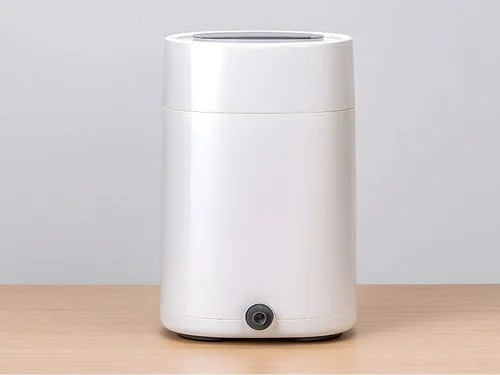
Think about where you want to use the humidifier. Small tabletop units are perfect for bedrooms or home offices, while larger console models can serve living rooms or open-plan spaces. Manufacturers usually state the recommended square footage for their products, so match that to the size of your room.
Maintenance and Cleaning
Humidifiers need regular cleaning. If you skip cleaning, you may end up with mold, bacterial growth, and mineral deposits from tap water. Some units have removable parts that are easier to clean. Others use filters that need to be changed periodically.
If you want low maintenance, look for models with dishwasher-safe parts or antibacterial materials.
Noise Level
For bedrooms and quiet spaces, noise matters. Ultrasonic models tend to be the most peaceful. Evaporative models with fans can be a bit louder. If you are sensitive to sound, choose a humidifier specifically noted for quiet operation.
Water Source and Filters
Some humidifiers use distilled water. Distilled water reduces mineral buildup and white dust that can occur when minerals disperse into the air. Others use tap water, but may add filters to remove minerals. Keep in mind that filters cost money and need to be replaced.
Budget
Entry-level humidifiers can be affordable and do a solid job in single rooms. Larger units, warm-mist models, and whole-house systems are more expensive. Think about what you value most in performance, features, and ease of use when setting your budget.
How to Use a Humidifier Safely
Using a humidifier is simple, but following best practices will make it work better and keep your home safe.
Monitor Humidity Levels
Over-humidifying your home can promote mold growth. Use a hygrometer to monitor humidity levels. Aim for that sweet spot between 30 and 50 percent. If you feel condensation on windows or walls, you are probably too high.
Clean Regularly
Follow the manufacturer’s cleaning instructions. Most humidifiers need daily rinsing and weekly deep cleaning. Vinegar and hydrogen peroxide are common cleaners that help remove buildup without harsh chemicals.
Use Distilled Water
If possible, use distilled water to reduce minerals. This helps prevent mineral dust from settling on furniture and floors.
Place It Strategically
Put your humidifier on a level surface away from electronics. For bedrooms, place it near your bed, but not right next to the pillows. In a living space setting, having it a few feet off the ground helps the mist disperse evenly.
Real Life Examples and Use Cases
To help bring it all together, here are some scenarios where humidifiers make a real difference.
A Family in a Cold Winter Climate
Imagine a household in a region where winter means central heating running 24 hours a day. The heat dries out the air so much that children wake up with cracked lips and dry coughs. A cool-mist humidifier in the living room helps add moisture back into the air. Bedrooms equipped with smaller units help everyone sleep more comfortably. The family notices that the wood furniture that had been showing cracks seems to stabilize over the season.
An Apartment with Dry Air Year-Round
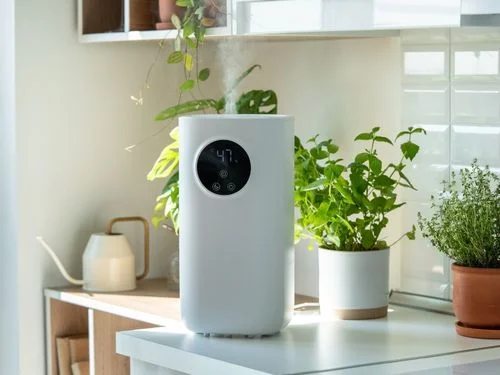
In a city with year-round low humidity, an apartment dweller finds their houseplants struggling. They add a warm mist humidifier near the plant corner to help mimic more tropical humidity levels. Within a few weeks, the plants show greener, healthier leaves. The humidifier also improves their own comfort, especially when working from home in the living room.
A Musician Protecting Instruments
A guitarist notices that the tuning pegs on a prized acoustic instrument keep slipping because the wood is drying. They install a small humidifier close to the instrument stand. The added moisture helps keep the wood stable so the instrument stays in tune longer. This solution is far better than constantly rehanging strings and struggling to maintain tone quality.
A Bedroom Upgrade for Better Sleep
Someone who snores more in winter tries a cool-mist humidifier in their bedroom. They find breathing easier and fall asleep faster without that dry-mouth feeling. Over time, the whole family finds that a little added moisture at night reduces snoring and lets them wake up feeling refreshed.
Common Myths About Humidifiers
There are a few misconceptions worth clearing up so you can make informed decisions.
Myth: You Only Need a Humidifier in Winter
People often think humidifiers are only for winter. While dry air is most noticeable when heating is running, some regions are dry year-round and need humidity support year-round.
Myth: More Humidity Is Always Better
Too much humidity can be just as bad as too little. Excessive moisture creates an environment for mold and dust mites, which can worsen allergies. That is why monitoring humidity with a simple hygrometer matters.
Myth: Tap Water Works Fine in All Models
While tap water is fine for some humidifiers, it often contains minerals that can create white dust or buildup inside the unit. Distilled water helps reduce these problems and keeps the humidifier cleaner longer.
Maintenance Checklist for Humidifier Owners
Here is a simple checklist to get the best performance and cleaner air from your humidifier.
Daily
- Empty and rinse the tank
- Dry with a clean cloth
Weekly
- Deep clean with vinegar or a manufacturer-recommended solution
- Check filters and replace if needed
- Inspect parts for mold or buildup
Monthly
- Replace filters if your model uses them
- Clean the surrounding area to prevent dust and debris
Seasonally
- Before extended periods of disuse, clean and dry thoroughly
- Store in a dry location
Making the Case for a Home Humidifier
Home humidifiers are more than just appliances. They are comfort enhancers that improve health, sleep, skin condition, and even protect your home furnishings. With the right model and proper care, you can enjoy balanced humidity year-round.
Whether you choose a cool-mist, warm-mist, whole-house, or ultrasonic humidifier, understanding your space and your needs will help you pick a device that truly makes your home feel better. If dry air has been quietly affecting your comfort, adding a humidifier might be the small change that makes a big difference.