


Shopping for bedroom essentials can feel both exciting and overwhelming. Creating a space for rest, relaxation, and recharging requires careful consideration. With a wide range of options available, knowing where to start can be challenging. This guide covers everything from essential basics to thoughtful finishing touches, providing clarity on what to select, how to choose it, and what transforms a bedroom into a true sanctuary.
Why Bedroom Essentials Matter
Your bedroom is more than a place to sleep. It is where you start and end your day. It is the space that reflects your personal style. It is the room that helps you unwind after a long day. If your essentials are mismatched or uncomfortable, it affects how you feel every day. Investing in quality bedroom items can improve your mood, sleep quality, and overall well-being.
When you shop with purpose and a plan, you do not just fill a room with random objects. You create a space that helps you feel calm, organized, and peaceful. Thinking about comfort, durability, and style from the start makes shopping for bedroom essentials rewarding and even fun.
The Foundation of the Bedroom: Choosing the Right Bed
The bed is the central focus of any bedroom. It sets the tone for the rest of the room. When shopping for a bed, think about size first. Do you need a full, queen, or king-sized bed? For most adults, a queen-sized bed offers a great balance of space and comfort. If you have the room and budget, a king-sized bed gives extra elbow room. For smaller spaces, a full-sized bed may be the right fit.
With the size chosen, the next step is selecting the right frame. You can choose from wooden, metal, upholstered, or platform beds. A wooden frame brings warmth and natural texture. Metal frames can feel sleek and minimal. Upholstered frames add softness and luxury. Platform beds do not require a box spring, which can save money and simplify the look.
Let’s talk about examples. A solid wood frame in a warm finish can make a room feel cozy and grounded. If you love clean modern lines, you might opt for a metal frame with simple angles. People who like a bit of softness and comfort often go for an upholstered headboard, which can be great for sitting up to read a book in bed.
Once you choose the frame, the mattress comes next. A good mattress can change your life. There are many types, including memory foam, innerspring, and hybrid options. Memory foam contours to your body while innerspring mattresses offer classic bounce and support. Hybrid mattresses combine both for balance. Try mattresses in person when you can. Lie down for at least ten minutes to see how it feels. A mattress that feels firm in a store might feel different after a night or two at home, so also check return policies.
Bedding Basics: Sheets, Pillows, and Comforters
After the bed itself, bedding is the next big shopping category. Bedding can dramatically affect both comfort and style.
Sheets
Sheets are more critical than many people think. They are part of the bed you touch every night. Good quality sheets can make even a simple mattress feel luxurious. When shopping for sheets, look at the material, thread count, and weave.

Cotton is the most popular material because it is breathable and durable. Egyptian cotton and Pima cotton are among the softer types. A thread count between 300 and 500 tends to feel smooth without being heavy. Satin and percale weaves offer different feels. Percale sheets feel crisp and cool, while sateen sheets feel soft and smooth.
A practical tip here is to choose sheet colors and patterns that complement your bedroom color palette. Neutral shades like white, beige, or gray offer timeless style and are easy to mix and match with blankets and pillows.
Pillows
Shopping for pillows may seem easy, but there is more to it than meets the eye. Pillows come in all kinds of shapes, sizes, and firmness levels. Your preferred sleeping position affects the ideal pillow for you. Side sleepers often benefit from firmer, thicker pillows that keep the neck aligned. Back sleepers often like medium support. Stomach sleepers generally prefer softer, flatter pillows.
Materials matter too. Down pillows are plush and comfortable, but can be expensive and are not the best choice for people with allergies. Alternative down pillows offer a similar feel at a lower price and are often hypoallergenic. Memory foam pillows contour to your head and neck and are great for people who like more support.
A good shopping approach is to test pillows if possible. Please spend a few minutes lying down with them. Also, check if your local stores offer trial periods. Many brands allow returns after a few nights, so you can see how they feel in your own bed.
Comforters and Duvets
Once you have sheets and pillows sorted out, it is time to pick a comforter or duvet. Comforters are one piece and usually come with a cover. Duvets require a separate duvet cover, which you can change easily. A duvet setup is great if you like switching up patterns or colors seasonally.
Fill material is essential. Down fill is warm and lightweight, but can trigger allergies. Down alternatives are a good choice for allergy sufferers. Weight is another factor. Some comforters are all-season while others are designed for winter warmth or summer coolness.
Color and design matter too. A brightly colored duvet cover can bring personality to your space. Soft neutral colors can create a calm retreat. Think about how your bedding will work with the wall colors, curtains, and other decor.
Furniture That Matters: Storage and Function
A bedroom should be calm and clutter-free. Storage furniture plays a key role in creating that vibe. Two pieces that make a big difference are dressers and nightstands.
Dressers
Dressers not only provide storage for clothing but also help keep surfaces clear. When shopping for a dresser, consider size and drawer configuration. A tall, narrow dresser can fit into tighter spaces. A wide low dresser can double as a place to display photos, plants, or decorative objects.
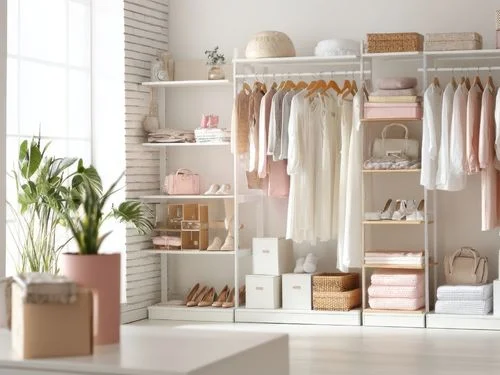
Drawers should open and close smoothly. Soft-close drawers feel more luxurious and prevent slamming. Think about the finish, too. Light wood tones can brighten a room. Dark finishes bring drama and richness.
Nightstands
Nightstands are the unsung heroes of bedroom design. They hold lamps, books, glasses, phones, and water. One nightstand on each side of the bed creates balance when shopping. Look for one with at least one drawer or shelf to hide clutter.
Size matters here as well. Nightstands should be about the same height as your mattress so you can easily reach items while lying down. A mismatched height can look awkward and feel inconvenient.
Closets and Storage Solutions
Closet organizers and additional storage bins are often overlooked until you actually need them. When shopping, look for organizers that fit your closet space. Adjustable shelving and hanging organizers efficiently maximize space.
Under-bed storage is another great idea. Soft bins with lids can slide easily under the bed. This is a perfect place for out-of-season clothes or extra bedding.
Lighting for Comfort and Ambience
Lighting completely changes how a bedroom feels. Harsh overhead lighting can make a space feel clinical. Softer, layered lighting creates warmth and calm.
Table Lamps
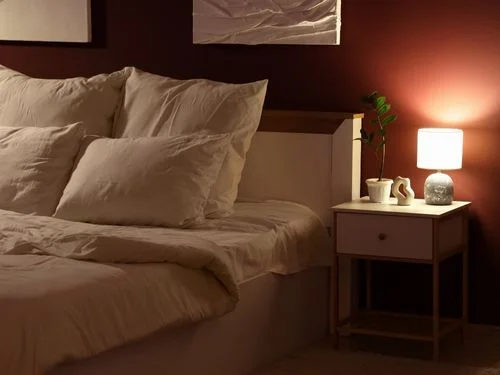
Table lamps on nightstands are a must. They provide soft light for reading and help create a cozy vibe. When shopping, look for lamps with adjustable brightness. Lamps with dimmers or bulbs that allow different brightness levels give more control over the mood.
Ambience Lighting
In addition to lamps, consider accent lighting, such as string lights or LED strips behind furniture. These lights add a gentle glow that is perfect for relaxing at night. You can also shop for floor lamps if your nightstands are too crowded.
Natural Light
Do not forget about natural light. Curtains or blinds that let you control sunlight help your body regulate sleep. Sheer curtains let in gentle light during the day, while blackout panels keep early-morning light out when you want to sleep in.
Rugs and Flooring
Bare floors can feel cold and uninviting. A soft area rug beside the bed provides a warm landing for your feet in the morning. When shopping for rugs, think about size and texture. A large rug that goes under the bed and extends out on each side can unify the room. Choose natural fibers like wool or cotton for durability and comfort. Synthetic fibers can be a budget-friendly option that still feels nice underfoot.
Color and pattern also shape how the room feels. Neutral rugs ground the space. Bold patterns add personality. If you like change, choose a rug with colors that can work with different bedding and decor.
Window Treatments That Work
Window treatments are both functional and decorative. Blinds, curtains, and shades control light and can add softness or structure to a room.
Curtains

Curtains can make a room feel taller when hung close to the ceiling. Floor-length curtains add elegance. When shopping, pick curtain rods and hardware that feel sturdy. Curtain colors and patterns should complement your bedding and furniture.
Blinds and Shades
Blinds and shades are great for light control. Blackout shades are handy if you sleep in past sunrise or work night shifts. Layering blinds with curtains combines function and style.
Personal Touches That Make It Home
Once you have the essentials, you can add personal touches that make your bedroom feel like home.
Wall Art
Wall art adds personality. This can be family photos, prints, or paintings you love. When shopping, think about size. A large piece over the bed can be a focal point. Small frames in a gallery wall tell a story.
Decorative Objects
Plants, vases, books, and candles bring warmth. Think about a small book stack on a nightstand or a plant on a dresser. These items make the room feel lived in and cozy.
Mirrors
Mirrors add light and depth. A full-length mirror is practical and decorative. Smaller mirrors on dressers reflect light from windows and lamps, making the room feel larger.
Quality vs Budget: Finding the Sweet Spot
Shopping for bedroom essentials does not have to break the bank. Some items are worth splurging on, and others are fine to be budget-friendly.
Where to Spend More
Spend more on items you use every day. Mattress quality affects sleep. Good pillows matter for neck support. Durable bed frames and nightstands last longer and feel more solid.
Where to Save
You can save on decorative items like throw pillows, small accessories, and even bedding pieces that are easy to replace as trends or seasons change. Look for sales, outlet options, and high-quality second-hand pieces.
Seasonal Shopping Tips
The best time to shop for bedroom essentials is during major sales events. Holidays like Black Friday, end-of-season clearance, and back-to-school sales often have great deals on bedding and furniture. Shopping off-season can also net deeper discounts.
Also, think seasonally with your bedding. Light cotton quilts feel great in summer. Warm comforters are perfect for winter. Buying bedding at the start of each season helps you stay comfortable year-round.
Sustainable Shopping Considerations
More people are thinking about sustainability when buying bedroom essentials. Look for eco-friendly materials, like organic cotton sheets or sustainably sourced wood furniture. Shopping second-hand or vintage not only saves money but also reduces waste. If a piece is well-made, even if it is older, it can add character to your room and last for years.
Final Bedroom Essentials Shopping Checklist
To wrap it all up, here is a simple checklist you can use when shopping:
- Bed Frame and Mattress
- Sheets (Fitted, Flat, Pillowcases)
- Pillows (Support for Your Sleep Style)
- Comforter / Duvet and Covers
- Dresser and Nightstands
- Closet Organizers and Storage Bins
- Table Lamps and Ambient Lighting
- Area Rug
- Window Treatments (Curtains, Blinds, Shades)
- Wall Art and Decorative Touches
- Mirrors
- Seasonal Bedding Options
Creating a Bedroom That Feels Like Home
Bedroom essentials shopping is more than picking items from a list. It is about creating a space you feel excited to walk into every day. Take your time. Think about comfort and function. Pay attention to quality. And most importantly, have fun with the process.
Your bedroom is a personal retreat. With thoughtful shopping and a clear plan, you can make it feel comfortable, stylish, and truly yours.