


Home renovation can feel challenging and full of risks. It promises refreshment, comfort, and a more functional space, but it can also blow budgets wide open. The good news is that with careful planning, creativity, and strategic choices, it is possible to transform a home without emptying savings. This guide provides practical home renovation tips based on insights and current best practices to help homeowners renovate smartly and affordably.
1. Understand Why Budgeting Is the Foundation
One of the most common mistakes homeowners make is starting renovations without a clear financial plan. Establishing a detailed budget up front and sticking to it sets realistic boundaries and prevents overspending. A written plan should include all projected costs, such as materials, labor, fixtures, permits, and a buffer for unexpected expenses.
Leaving room in the budget is essential. Hidden problems often lurk beneath the surface. Old wiring, plumbing issues, or structural wear may not become apparent until walls are opened or fixtures removed. A contingency fund ensures surprises can be handled without derailing the entire project.

2. Prioritize Renovations: Focus on What Matters
Instead of renovating the entire house at once, start by prioritizing rooms or features that have the greatest impact on comfort and usability. Renovations in busy areas such as kitchens, bathrooms, and living or dining rooms usually deliver the biggest improvements.
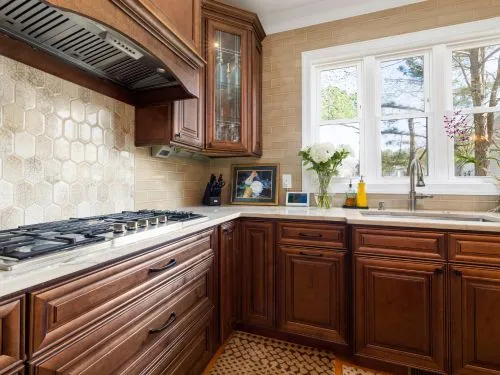
For example, instead of gutting a kitchen entirely, consider updating cabinets or replacing worn hardware. Refinishing cabinets or refacing cabinet doors can dramatically change the look and feel without the cost of full replacement.
Expanding living space by changing the house layout, moving plumbing, or shifting walls is often costly and risky, especially in older homes. Avoiding structural changes saves tens of thousands while still improving functionality through better layouts, clever storage, and smarter design solutions.
3. Use Smart Material Choices and Alternatives
Quality does not have to mean expensive. Many modern materials are both durable and budget-friendly.
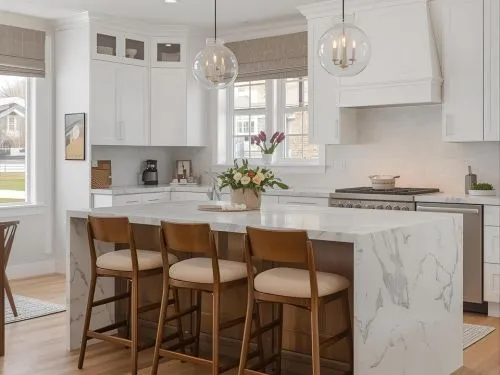
Vinyl flooring, laminate, and engineered surfaces can mimic hardwood or natural stone at a fraction of the cost. These materials are simpler to install and require less upkeep. Tile or ceramic counters and backsplashes are more affordable than natural stone, particularly if you shop for remnants, clearance items, or factory seconds.
Salvaged or reclaimed materials, such as wood beams, vintage fixtures, or old doors and windows, are typically less expensive and add unique character to a renovation. Choosing more affordable alternatives not only reduces upfront costs; when done thoughtfully, they can also reduce long-term maintenance costs and increase durability.
4. Embrace DIY Where It Makes Sense
Labor costs can account for a substantial portion of renovation budgets. Taking on manageable tasks, such as painting, light demolition, sanding, or basic carpentry, can result in significant savings. Painting walls, refurbishing cabinets, replacing fixtures, and installing laminate floors are examples of projects that can be done with research and elbow grease.
Specialized work, including electrical wiring, plumbing, structural changes, or roofing, should always be handled by licensed professionals. Cutting corners in these areas can lead to costly mistakes or serious safety hazards.
5. Time Purchases Right and Shop Smart
Material and fixture prices can fluctuate throughout the year. Timing purchases for sales, clearance events, or seasonal discounts can substantially reduce costs. Many home improvement stores provide discounts during holidays or slower renovation periods.
Buying in bulk, especially when multiple rooms or areas will use similar materials, can unlock additional savings. Comparing prices across stores, suppliers, and online marketplaces ensures the best deal. Researching before committing often pays off.
6. Reuse, Repurpose, and Upcycle
Many existing home features remain usable with minor updates. Before removing cabinets, furniture, doors, or fixtures, consider whether they can be repurposed. Repainting, replacing hardware, sanding, and restaining wood breathe new life into older elements while saving money.
Vintage and second-hand items often have character and uniqueness that mass-produced pieces lack. An old dresser can be converted into a bathroom vanity, or reclaimed wood can be used for shelving. Using recycled or second-hand materials reduces waste and supports a more sustainable renovation approach while being budget-friendly.
7. Take a Phased Approach: Renovate One Room at a Time
Tackling a home renovation all at once can be overwhelming and expensive. Breaking it into manageable phases allows you to focus on one room or project at a time, spreading out costs and making adjustments as needed.
A phased approach also allows homeowners to live comfortably while improvements are underway. Starting with living rooms or bedrooms before moving to kitchens and bathrooms gives time to acquire materials at better prices and manage labor effectively.
8. Avoid Major Structural Changes Whenever Possible
Altering a home’s layout by moving plumbing, shifting walls, or adding rooms significantly increases renovation costs. These changes often require specialized labor and permits, carry a higher risk, and may reveal unexpected issues.
Instead of structural overhauls, focus on space-saving cabinetry, built-in shelving, and clever furniture placement. Practical design moves maximize usability without disrupting the home’s fundamental layout.
9. Opt for Energy Efficiency and Long-Term Value
Practicality and long-term savings should guide renovations alongside aesthetics. Choosing durable, energy-efficient materials and fixtures may cost more upfront but provide savings over time.
Flooring or roofing materials that are moisture- and wear-resistant reduce the need for frequent repairs. Energy-efficient lighting, low-flow fixtures, and good insulation help reduce utility costs. Well-chosen upgrades enhance comfort, reduce maintenance, and increase home value.
10. Lean on Professionals When Appropriate
DIY is suitable for many tasks, but professional help is often worth the investment. Electrical work, plumbing, roofing, or structural modifications are areas where mistakes can be costly or dangerous.
When hiring professionals, obtain multiple quotes and carefully evaluate their scope of work. Quality, reputation, and transparency are as important as price. Skilled professionals may also offer cost-saving tips, such as repurposing materials, efficiently phasing the project, or suggesting alternatives without sacrificing durability.
11. Don’t Rush: Patience Saves Money
Rushing a renovation often results in overspending, poor workmanship, or expensive redo’s. Taking time to plan, compare materials, and wait for sales generally produces better results than chasing trends. Spacing out work over months or even years can reduce financial stress and allow smarter, considered decisions.
Real-World Examples: What Works in 2025
In 2025, refinishing old cabinets or furniture is more popular than replacement. A fresh coat of paint, new hardware, or minor trim work can make kitchens or bathrooms look almost new at a fraction of the replacement cost. Laminate flooring and vinyl planks are increasingly popular in humid climates. These materials mimic the appearance of wood or tile, are easier to install, and cost significantly less.
“Sweat-equity” projects, such as painting, light demolition, basic carpentry, and shelving installation, remain a favorite strategy. Many homeowners involve family or friends to share labor, cutting costs while enhancing creativity in the home transformation.
Selective upgrades, such as improving lighting, updating fixtures, or repainting, deliver a noticeable visual impact without structural changes. These small-scale improvements offer high return on investment and aesthetic value.
Sample Renovation Strategy
- Define Priorities: List essential needs versus nice-to-haves. Start with areas that require the most attention.
- Create a Detailed Budget: Include materials, labor (DIY versus professional), tools, unexpected costs, and a 10-15% contingency.
- Shop Smart: Compare suppliers, monitor sales, clearance deals, remnant materials, and salvage markets.
- Start with DIY-Friendly Tasks: Painting, refinishing, light carpentry, and installing shelves to enhance style while saving on labor.
- Avoid Structural Changes: Use clever design, storage solutions, and layout tweaks instead of moving walls or plumbing.
- Spread the Renovation Over Phases: Focus on one room at a time to manage costs, reduce disruption, and allow time for smart shopping.
- Use Budget-Friendly Yet Durable Materials: Laminate floors, vinyl planks, engineered surfaces, and repurposed furniture reduce costs without sacrificing durability.
- Hire Professionals Only When Necessary: For plumbing, electrical work, structural modifications, or major fixtures, choose licensed experts and compare multiple quotes.
- Focus on Energy Efficiency and Long-Term Value: Durable, low-maintenance materials and energy-saving fixtures reduce long-term costs.
- Be Patient: Wait for sales, shop carefully, and take time deciding. Avoid rushing or overspending on trends.
Why This Approach Works in 2025
Current market conditions make this strategy relevant. Supply-chain disruptions, rising labor costs, and raw-material inflation have increased renovation expenses. Simultaneously, more affordable materials are widely available, including laminate floors, engineered countertops, vinyl tiles, repurposed fixtures, and salvage items.
DIY culture has also grown. Homeowners are more confident handling small to medium tasks thanks to online tutorials, home-improvement communities, and affordable, ready-to-assemble materials. Experts continue to advise against overextending budgets or overhauling entire layouts unless necessary. Thoughtful, phased, cost-efficient strategies remain the most effective approach for most homeowners.
Transform Your Home Without Breaking the Bank
Home renovation does not need to be reserved for those with deep pockets. With careful planning, creativity, resourcefulness, and clear priorities, it is possible to transform spaces into comfortable, functional, and beautiful areas without breaking the bank.
Success depends on discipline, patience, and exploring alternatives. Painting old furniture, using laminate instead of hardwood, repurposing existing items, or completing DIY-friendly tasks all contribute to savings. Ultimately, satisfying renovations result from thoughtful choices rather than expensive price tags.
Start slow. Shop smart. Build gradually. Your home and your budget will thank you.